

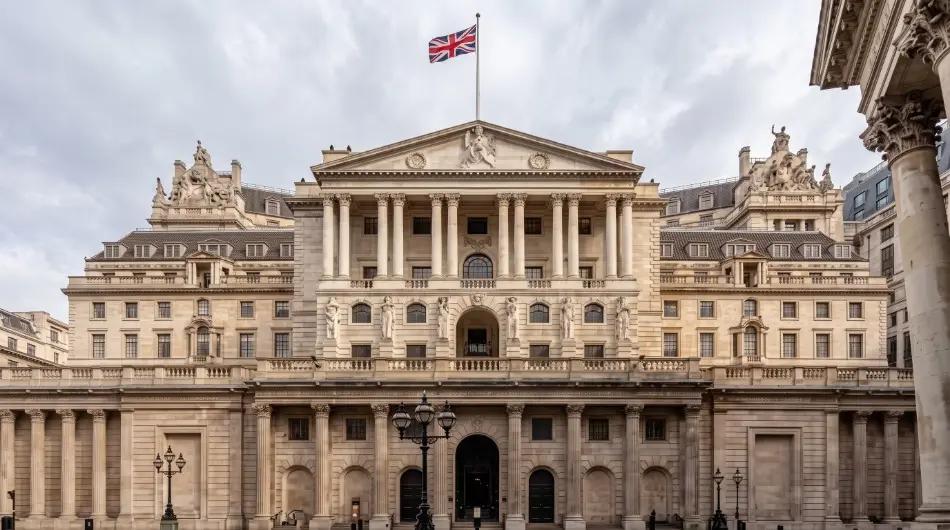
A decision made at the Bank of England can quietly affect the finances of businesses across the UK. It can influence borrowing costs, customer spending, investment plans, and cash flow without many directors immediately seeing the connection.
A business with a loan, plans for expansion, or surplus cash reserves may all experience different effects from the same interest rate decision. The key issue is not only whether rates rise or fall, but how prepared a business is to respond.
The Bank of England base rate plays an important role in shaping the financial environment for UK businesses. In this guide, we explain how rate changes can affect borrowing, cash flow, profitability, and the decisions directors should consider.
Key Takeaways
- The Bank of England base rate affects the cost of borrowing and wider business finance conditions.
- Companies with variable-rate loans may experience changes in interest expenses.
- Cash flow forecasting becomes more important when finance costs change.
- Businesses should review borrowing arrangements and investment plans regularly.
What Is the Bank of England Base Rate?
The Bank of England base rate is the interest rate set by the Monetary Policy Committee. It influences the lending rates that commercial banks charge and the returns available on some savings products.
The MPC reviews the rate several times each year. Its decisions consider inflation, economic growth, employment levels, and wider financial conditions. The Bank aims to keep inflation close to the government’s 2% target.
(Source: Bank of England – Interest rates and Bank Rate: our latest decision)
The base rate does not directly determine every business loan or savings rate. Instead, it provides a benchmark that affects how lenders price financial products.
For example, if the base rate increases, banks may increase interest rates on variable business loans. If the rate decreases, some borrowers may benefit from reduced finance costs.
Why Interest Rates Matter to Businesses
Interest rates affect businesses differently depending on their financial structure. A company with significant borrowing may feel the impact quickly, while a company holding cash reserves may experience different effects.
Many UK businesses use finance facilities such as loans, overdrafts, asset finance, and credit agreements. Changes in interest rates can influence monthly repayments and the amount of money available for daily operations.
Consider a company with a £150,000 variable-rate business loan. A small increase in the interest rate may appear manageable each month, but over a full year it can create a noticeable increase in costs.
Directors should understand their existing finance agreements and whether rates are fixed or linked to market changes. This allows businesses to plan rather than react unexpectedly.
Impact on Business Cash Flow
Cash flow is often the first area where businesses notice the effect of changing interest rates. Increased borrowing costs can reduce the funds available for suppliers, payroll, tax payments, and business investment.
A profitable company can still experience financial pressure if cash is tied up in unpaid invoices or rising expenses. Businesses can also benefit from professional business advisory services when reviewing financial decisions.
Businesses should review:
|
Area |
Why It Matters |
|
Loan repayments |
Identifies changes in monthly finance costs |
|
Supplier payments |
Helps maintain healthy relationships |
|
Payroll commitments |
Ensures wages and PAYE obligations are covered |
|
Tax liabilities |
Prevents unexpected payment pressure |
|
Business investment |
Helps assess affordability before spending |
Maintaining accurate records is essential when reviewing cash flow. Professional bookkeeping services can help businesses maintain accurate records, monitor cash flow, and make decisions using reliable financial information.
Effect on Business Borrowing
The impact of a Bank of England rate decision depends on the type of finance a business uses. Businesses with fixed-rate borrowing may not see an immediate change because their interest rate remains unchanged during the agreed period. However, companies with variable-rate finance may see repayments adjust sooner.
Directors should regularly review:
• Current loan agreements
• Interest rates applied
• Remaining repayment periods
• Early repayment terms
• Future borrowing requirements
This review helps businesses understand whether their current finance arrangements remain suitable. For companies considering expansion, higher borrowing costs may affect decisions around purchasing equipment, hiring staff, or opening new locations.
Plan Better Manage Smarter.
Reliable accounting support for changing business conditions.
Call us: +44 (0) 207 093 2544
Tax Treatment of Interest Costs
Changes in interest costs do not just affect cash flow. They can also influence how businesses report finance expenses and calculate taxable profits.
For companies, interest costs from business borrowing are usually dealt with under HMRC’s loan relationship rules. The correct treatment depends on the type of borrowing and the company’s circumstances. The exact treatment depends on the nature of the finance arrangement and the company’s circumstances. HMRC provides guidance on how companies should account for loan relationships and related finance costs.
Businesses should keep supporting documents, including:
• Loan agreements
• Interest statements
• Bank records
• Repayment schedules
• Evidence showing the business purpose of borrowing
These records help accountants prepare accurate accounts and complete Corporation Tax returns correctly. Businesses should also ensure VAT obligations are considered when planning cash flow.
Does a Higher Base Rate Help Businesses?
A higher interest rate does not always create negative effects. Businesses with surplus cash may receive higher returns from savings accounts or deposits. However, directors should consider whether holding excess cash is the most effective use of company funds.
A company should balance:
• Maintaining emergency reserves
• Meeting upcoming tax liabilities
• Investing in growth opportunities
• Considering shareholder payments where appropriate
Good financial planning helps directors make decisions based on business needs rather than short-term changes in interest rates.
Importance of Management Accounts
Annual accounts provide important information, but they may not show current financial pressures during periods of economic change.
Management accounts give directors regular insight into:
• Revenue performance
• Profit margins
• Operating costs
• Cash position
• Financial trends
For example, a company may report a healthy annual profit but face pressure because finance costs, wages, or supplier prices have increased. Regular reporting allows directors to identify problems earlier and adjust their plans.
What Should Directors Review After a Rate Decision?
A Bank of England base rate decision does not affect every business in the same way. Directors should focus on how the decision impacts their own borrowing, cash position, and financial commitments. Directors should review the areas most likely to influence their company’s finances.
Review Existing Finance
Businesses should check whether their loans or finance agreements have fixed or variable interest rates. Understanding future repayment changes helps directors plan for potential cost increases.
Update Cash Flow Forecasts
Cash flow forecasts should include expected income, supplier payments, payroll, VAT, Corporation Tax liabilities, and finance commitments. Regular updates help identify pressure points early.
Review Profit Margins
Rising finance costs can reduce profitability even if sales remain stable. Directors should review margins and operating costs to ensure the business remains financially sustainable.
Maintain Accurate Records
Up-to-date bookkeeping helps directors understand their true financial position and ensures accounts and reports reflect the company’s current performance.
Regular financial reviews allow businesses to respond to interest rate changes with better planning and fewer surprises.
Common Mistakes When Managing Interest Rate Changes
Interest rate changes do not affect every business in the same way. However, many companies make similar mistakes when reviewing the impact on their finances. These mistakes often happen because directors focus on immediate costs rather than the wider effect on profitability, cash flow, and future planning.
Ignoring Small Cost Increases
A small increase in interest costs may not appear significant at first, especially for businesses with stable income. However, when combined with rising supplier costs, payroll expenses, and other overheads, these increases can gradually reduce profit margins.
For example, a business with several finance agreements may see hundreds or thousands of pounds added to annual costs after a rate change. Regular reviews of expenses and management accounts help directors identify these changes before they become a larger financial issue.
Focusing Only on Sales Growth
Increasing revenue does not always mean a business is becoming more profitable. If finance costs, operating expenses, or supplier prices rise faster than sales, profit margins can quickly come under pressure.
Directors should look beyond turnover and review key figures such as gross profit, net profit, cash flow, and outstanding liabilities. Accurate financial reporting helps businesses understand whether growth is genuinely improving their financial position.
Delaying Financial Reviews
Some businesses only review their finances when cash flow problems appear. By that stage, options may be more limited, particularly if borrowing costs have already increased or reserves have reduced.
Regular reviews allow directors to identify potential issues early. Reviewing budgets, cash flow forecasts, and borrowing arrangements can help businesses make adjustments before financial pressure builds.
Poor Record Keeping
Incomplete or outdated records make it difficult to understand the real impact of changing interest rates. Without accurate bookkeeping, directors may not have a clear picture of outstanding finance costs, available cash, or upcoming commitments.
Maintaining up-to-date records also helps accountants prepare accurate financial statements, identify tax planning opportunities, and provide meaningful advice based on the company’s actual position.
By identifying these common mistakes early and reviewing financial information regularly, businesses can make better decisions, manage risks effectively, and respond more confidently to changes in interest rates.
Preparing Your Business for Interest Rate Changes
The Bank of England base rate affects more than borrowing costs. It can influence business cash flow, investment decisions, financial planning, and profitability.
Directors should regularly review their financial position, maintain accurate records, and understand how changing economic conditions affect their company.
With reliable bookkeeping, management accounts, and professional advice, businesses can respond more effectively to changes in the wider economy. If you need help reviewing your company’s finances, our team can provide practical guidance based on your circumstances