

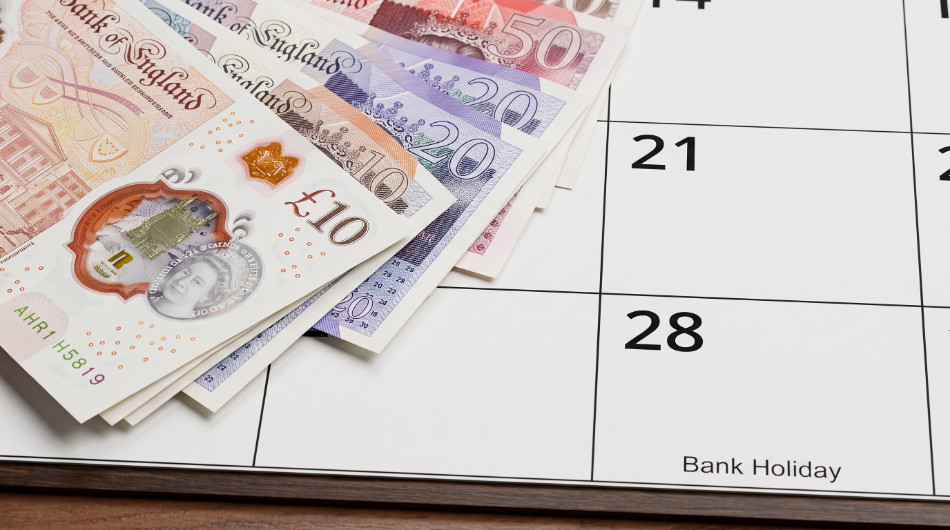
Millions of households could see money reach their bank accounts earlier than expected this August.
A change to the usual benefit payment schedule is approaching, and it could affect several widely claimed benefits. For some households, these early benefit payments may come as welcome news. However, the timing could also create an unexpected budgeting problem later.
With the August bank holiday approaching, knowing whether your payment is affected could make a real difference. So, who will receive their money early, and what should you expect?
Key Takeaways
- DWP payments due on Monday 31 August 2026 will arrive on Friday 28 August 2026.
- Universal Credit, State Pension and PIP are among the affected benefits.
- Child Benefit due on 31 August will also arrive on 28 August.
- Only people with payments normally due on the affected date will receive them early.
Why Payments Are Changing
The Department for Work and Pensions confirmed the August change on 14 August 2026. Payments normally due on Monday 31 August will instead reach recipients on Friday 28 August. DWP says the arrangement will affect millions of people across the United Kingdom.
The reason is straightforward. Monday 31 August is the summer bank holiday in England, Wales and Northern Ireland. GOV.UK normally moves benefit payments to the previous working day when the usual date falls on a bank holiday.
DWP has confirmed that the August arrangement also applies across Scotland, despite Scotland having different bank holiday dates. Claimants do not need to choose the earlier date themselves. The change follows the normal process for affected benefit payments.
Which Benefits Are Affected?
The change covers several major benefits and pensions. However, simply receiving one of these benefits does not mean your payment will arrive early. Your normal payment date must fall on Monday 31 August 2026.
|
Benefit |
Normal date |
Revised date |
|
Universal Credit |
31 August 2026 |
28 August 2026 |
|
State Pension |
31 August 2026 |
28 August 2026 |
|
Personal Independence Payment |
31 August 2026 |
28 August 2026 |
|
Attendance Allowance |
31 August 2026 |
28 August 2026 |
|
Carer’s Allowance |
31 August 2026 |
28 August 2026 |
|
Disability Living Allowance |
31 August 2026 |
28 August 2026 |
|
Income Support |
31 August 2026 |
28 August 2026 |
|
Jobseeker’s Allowance |
31 August 2026 |
28 August 2026 |
|
Pension Credit |
31 August 2026 |
28 August 2026 |
|
Employment and Support Allowance |
31 August 2026 |
28 August 2026 |
|
Industrial Injuries benefits |
31 August 2026 |
28 August 2026 |
DWP included these benefits within its official August announcement. Payments due on other working days should generally continue under their usual schedules.
(Source: Millions to receive essential benefit payments early)
This distinction matters because headlines about early benefit payments can create the impression that every claimant will get money sooner. That is not the case. The change only moves payments that would otherwise fall on the affected bank holiday.
Universal Credit Payments
Universal Credit usually arrives on the same date every month after the first payment. When that date falls on a weekend or bank holiday, GOV.UK says payment moves to the previous working day. Claimants can also check their monthly statement through their online Universal Credit account.
Someone expecting Universal Credit on 31 August should therefore receive it on Friday 28 August. The payment amount does not increase because it arrives earlier. It remains the payment for the same Universal Credit cycle.
That timing can still matter for household finances. Receiving money before the weekend may encourage earlier spending, while September commitments remain unchanged. Treating the payment as though it arrived on its normal date can make budgeting easier.
Not Sure How Benefits Affect Your Tax?
Get help understanding taxable benefits, other income and your Self Assessment position.
Call us: +44 (0) 207 093 2544
What About Child Benefit?
Child Benefit follows separate arrangements because HMRC administers it rather than DWP. However, families with a payment due on 31 August will see the same change. HMRC’s official bank holiday schedule moves that payment to Friday 28 August 2026.
Child Benefit usually arrives every four weeks, normally on a Monday or Tuesday. Therefore, not every family receiving Child Benefit will have money arriving early. The change only matters if 31 August falls within your normal payment cycle.
Checking previous payments can help confirm your usual schedule. Families should also remember that Child Benefit has separate tax considerations for higher-income households.
The Budgeting Catch
Getting paid early can feel like having more money available before the bank holiday. In reality, you have received money from your normal payment cycle sooner. That difference becomes important once the weekend ends.
Imagine your usual payment arrives on 31 August. This year, the money enters your account on 28 August instead. Your rent, utilities and other September commitments may still leave your account on their normal dates.
Spending more during the bank holiday could therefore leave less available for those costs. The safest approach is to plan from the original payment date. Consider setting aside anything needed for essential expenses before spending the remaining balance.
Regular commitments may include:
• rent or mortgage payments
• council tax
• electricity and gas
• food and household shopping
• childcare costs
• transport
• loan repayments
• subscriptions and direct debits
An earlier deposit can improve short-term cash flow, but it does not increase household income. Keeping that distinction in mind can prevent financial pressure before the next payment arrives.
Could Tax Be Affected?
Receiving a benefit several days earlier does not change whether that particular benefit is taxable. Different benefits already have different income tax rules. GOV.UK lists State Pension and Carer’s Allowance among common taxable state benefits.
Contribution-based Employment and Support Allowance and Jobseeker’s Allowance can also be taxable. By contrast, Universal Credit, PIP and several other support payments are tax-free. The underlying benefit type determines the treatment, rather than the bank payment date.
This distinction can become important where someone has several income sources. Employment earnings, pension income or self-employed profits may sit alongside taxable state benefits. Professional Self Assessment tax return support can help where the overall position becomes unclear.
Child Benefit and Higher Income
Child Benefit itself also needs extra attention where either partner has a higher income. The High Income Child Benefit Charge can apply when adjusted net income exceeds £60,000. For the 2026/27 tax year, that threshold remains £60,000.
The charge gradually increases between £60,000 and £80,000. HMRC charges one percent of child benefit for every £200 above the threshold. At £80,000 or more, the charge equals the full Child Benefit received.
Adjusted net income is not always the same as salary. Other taxable income can affect the calculation, while some pension contributions and Gift Aid donations can reduce it.
Anyone approaching the threshold should consider their wider tax position rather than looking only at salary.
(Source: High Income Child Benefit Charge – GOV.UK)
If You Are Self-Employed
Self-employed people may receive benefits alongside income from their business. This can make personal bank statements harder to understand when preparing accounts or tax records. A benefit payment should not automatically become business turnover simply because it appears beside customer receipts.
Keeping trading income separate from personal transactions makes year-end reporting much clearer.
Sole traders should keep adequate records of business sales and allowable costs throughout the year. Those records support the figures eventually reported to HMRC.
The earlier benefit date itself does not change your trading income. However, keeping the payment correctly identified can prevent confusion when preparing your accounts.
If You Also Work
People can receive some benefits while earning employment income. An early benefit payment does not change what an employer should report through PAYE. Employers must continue reporting employees’ actual pay accurately through payroll.
Universal Credit can respond to changes in earnings, so correct payroll reporting remains particularly important. HMRC guidance tells employers to report the usual contractual payment date in certain bank holiday situations.
Employees should also keep their payslips and review unexpected changes in their pay. Businesses requiring support with PAYE can use professional payroll services.
What Should You Do?
The August bank holiday will bring early benefit payments for millions of people across the UK. Payments normally due on 31 August will arrive on Friday 28 August, while affected Child Benefit payments will follow the same revised date. The amount does not increase, so careful budgeting remains important until the next regular payment.
If you receive benefits alongside employment, self-employment, pensions, or other taxable income, your wider tax position may need closer attention. Professional support can help you understand how different income sources affect your tax obligations and keep your records accurate. For personalised help, get in touch to discuss your circumstances.