
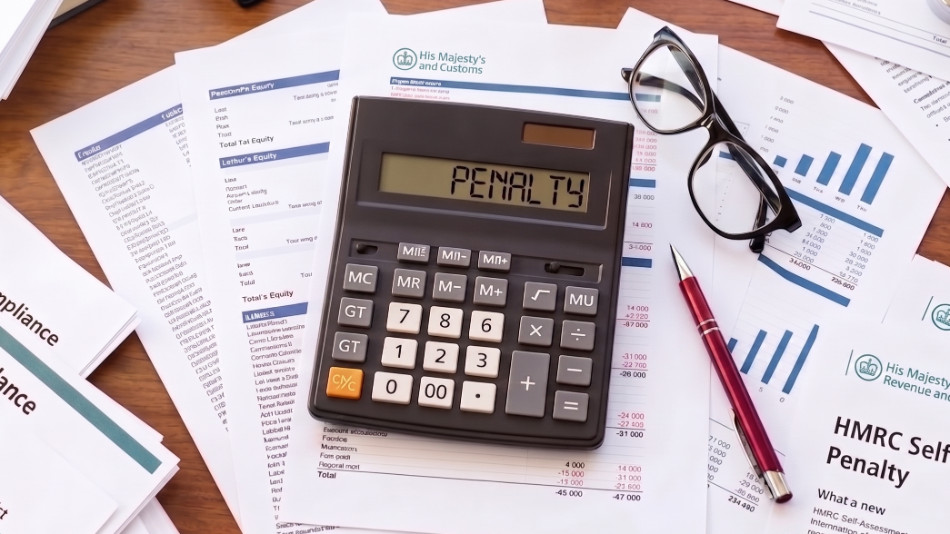
One missed Self Assessment deadline can leave you with an unexpected £100 bill from HMRC. The charge can apply even when no tax is due. It also applies when the tax bill is paid on time.
That catches many sole traders and other taxpayers off guard, particularly when they assume a small profit or tax refund removes the need to file.
The problem can become more expensive if you leave the return outstanding. HMRC can add further penalties as the delay continues, while a genuine reasonable excuse may give you grounds for a penalty appeal.
Key Takeaways
- File the outstanding return before dealing with the penalty appeal.
- The initial £100 charge applies even when no tax is due.
- Penalties increase after three months, then again after six months.
- A successful appeal needs a reasonable excuse supported by clear evidence.
- Cash shortages rarely excuse late filing because filing and payment are separate duties.
What Triggers the £100 HMRC Penalty?
If you fail to meet the deadline for a Self Assessment return, HMRC will charge you a penalty. Most paper returns must reach HMRC by 31 October. Online returns usually have a 31 January deadline. The 2025/26 online return is due by 31 January 2027.
The charge applies from the following day. HMRC does not link it to the tax owed. A nil return can still produce a £100 Self Assessment penalty.
Check whether you need to register for Self Assessment before the deadline.
Why Does This Penalty Catch So Many People?
Many taxpayers treat 31 January as a payment deadline only. They overlook the separate duty to submit the return. Others wait for one missing statement or invoice. That delay becomes expensive after the deadline passes.
HMRC received 11.48 million Self Assessment returns by 31 January 2026, while around one million customers missed the deadline. The tax authority had expected 12.03 million returns for the 2024/25 tax year. Late filers also lose time to review errors calmly. Early preparation and a clear Self Assessment payment plan reduce that pressure.
(Source: 11.48 million beat the Self Assessment deadline – Press Release)
How Quickly Can a Self Assessment Penalty Grow?
The first £100 is only the starting point. Further charges depend on how long the return remains outstanding. Separate penalties can also apply when the tax remains unpaid.
|
Delay after the filing deadline |
Potential late filing penalty |
|
Immediately |
£100 fixed penalty |
|
More than three months |
£10 daily, up to £900 |
|
More than six months |
£300 or 5% of tax due, whichever is higher |
|
More than twelve months |
Another £300 or 5%, whichever is higher |
A return over six months late can attract at least £1,300 in filing penalties. That total excludes payment penalties and interest. HMRC can apply higher charges where deliberate withholding occurs. Every partner may also face a penalty when a partnership return arrives late.
(Source: Self Assessment tax returns – Penalties)
Received a Penalty You Believe Is Wrong?
A clear appeal needs valid grounds and supporting evidence.
Call us: +44 (0) 207 093 2544
Can You Appeal the £100 HMRC Penalty?
Yes, but disagreement by itself won’t make the charge go away. An appeal of a self-assessment penalty typically requires a factual error or a valid justification. A factual appeal may show that HMRC received the return on time. It may also show that no return was legally required.
A reasonable excuse must explain what prevented compliance. The event must affect the relevant deadline. HMRC usually allows 30 days from the penalty notice date. Professional Self Assessment support can help review the notice and evidence.
What Can Count as a Reasonable Excuse?
HMRC reviews each case using its own facts. Examples that may support an appeal include:
• Serious illness: A major illness or unexpected hospital stay may prevent you from dealing with your tax affairs.
• Bereavement: The death of a close relative shortly before the deadline can affect your ability to file.
• Technical failure: A computer, software, or HMRC online service problem may prevent submission.
• Unexpected emergencies: Events such as fire, flood, or theft can disrupt your ability to complete the return.
• Reliance on another person: A reasonable reliance on someone else may qualify in certain circumstances.
Problems with HMRC’s online service can support an appeal. Keep screenshots and error codes from the relevant date. Mental health conditions or disabilities may also explain the failure. The evidence must connect the condition directly with the deadline.
The strongest appeals explain:
• what happened;
• when it happened;
• how it prevented filing; and
• how quickly you acted afterwards.
How Do You Appeal a Self Assessment Penalty?
Start by reading the penalty notice carefully. Check the tax year, penalty type, issue date, and appeal deadline. Most appeals must reach HMRC within 30 days of the notice date.
You should also confirm why HMRC issued the penalty. The notice may relate to late filing, late payment, or another reporting failure. Your appeal must address the specific penalty shown on the notice.
Follow these steps:
- File the outstanding return immediately: Filing the return stops further late filing penalties from building up.
- Prepare a clear timeline: Record what happened before the deadline and when the problem ended.
- Explain why you could not file on time: Focus on the event that directly prevented you from meeting the deadline.
- Attach supporting evidence: This may include medical letters, hospital records, error screenshots, or proof of posting.
- Explain what action you took afterwards: HMRC will consider how quickly you acted once the problem ended.
- Submit the appeal within 30 days: A late appeal should explain why you missed the original appeal deadline.
HMRC’s online service will confirm whether you can appeal digitally. Some taxpayers must appeal by post using form SA370 or SA371. Check how to appeal a Self Assessment penalty.
HMRC may accept the appeal, reject it, or request further evidence. You can ask for an internal review after a rejection. You may then appeal to the First-tier Tribunal if the dispute remains unresolved.
Act Before £100 Becomes £1,300
The initial HMRC penalty looks small, but delay changes the position quickly. File the outstanding return first. Then review the notice and appeal deadline. A valid penalty appeal needs clear facts and a direct link to the missed obligation.
Received a Self Assessment penalty or still have an overdue return? Book a tax review before further charges arise.
Frequently Asked Question
What Usually Does Not Support a Penalty Appeal?
What Evidence Should Support Your Appeal?
Relevant evidence may include hospital letters, medical records, funeral documents, police reports, insurance records, software error screenshots, HMRC reference numbers, proof of posting, or correspondence with your accountant.
Include a short timeline explaining what happened, how it affected you, and when the problem ended. Keep copies of everything submitted to HMRC.
Does Making Tax Digital Change the £100 Penalty?
New points-based penalties apply from the tax year someone joins Making Tax Digital. HMRC will not issue points for late quarterly updates during 2026/27. Those updates must still be submitted before the annual return.
The old regime and points system can cover different obligations. That distinction will matter during the transition. Review the HMRC penalty points guide before relying on previous filing habits.
What If You Filed Late Because You Could Not Pay?
Taxpayers facing difficulty should contact HMRC early. A Time to Pay arrangement may spread the balance through instalments. Accurate bookkeeping records also help confirm the correct liability.