

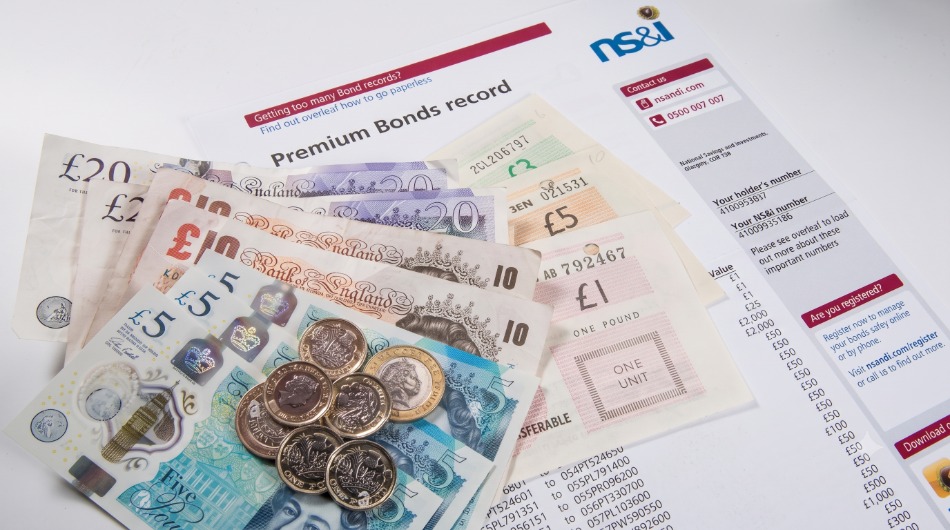
Whether you win £25 or the £1 million jackpot, you do not pay income tax on your Premium Bonds prize. You also do not pay capital gains tax, and you normally do not need to include your winnings on your Self Assessment tax return.
However, tax-free does not always mean there are no rules to consider. Your savings can still affect areas such as inheritance tax, means-tested benefits, and overseas tax obligations.
Understanding how these winnings are treated can help you avoid reporting mistakes and make informed decisions about your savings.
Key Takeaways
- Premium Bonds prizes are free from UK income tax and capital gains tax.
- Prizes do not use your personal savings allowance.
- You normally exclude prizes from your self assessment tax return.
- Premium Bonds form part of your estate for inheritance tax purposes.
- Holdings and retained prizes may affect means-tested benefits.
What Are Premium Bonds?
Premium Bonds are savings products offered by National Savings and Investments, known as NS&I. Each £1 bond enters a monthly prize draw.
Prizes range from £25 to £1 million. One person can hold up to £50,000 in the Bonds. The Bonds do not pay guaranteed interest. Instead, NS&I uses a variable prize fund for monthly draws.
Are Premium Bonds Prizes Taxable?
One of the biggest advantages of these bonds is that any prizes you win are tax-free in the UK. Unlike interest earned from savings accounts, these winnings are not treated as taxable income, regardless of how much you win or which tax band you fall into.
These winnings are not subject to UK income tax and capital gains tax. This tax treatment applies to every prize, whether you win £25 or £1 million.
The tax exemption also means that these prizes do not count towards your Personal Savings Allowance (PSA). The PSA only applies to taxable savings interest, whereas these bonds pay tax-free prizes instead of interest.
Do You Need to Declare Premium Bonds Prizes?
In most cases, no. These prizes do not normally need to be reported on your Self Assessment tax return because they are exempt from UK income tax.
When completing your tax return, you should not include these winnings as bank interest or miscellaneous income. Reporting them incorrectly could overstate your taxable income and result in paying more tax than necessary.
Although you don’t usually need to declare your winnings, it’s sensible to keep your NS&I prize notification and the corresponding bank statement showing the payment. These records can be helpful if HMRC ever asks about a significant deposit.
You may still need to complete a Self Assessment tax return if you have other taxable income, such as:
• Self-employment income
• Rental income
• Dividend income
• Foreign income
• Capital gains from other assets
Won a Premium Bonds Prize?
Understand whether it affects your wider tax position.
Call us: +44 (0) 207 093 2544
When Other Rules Apply
Depending on your circumstances, rules relating to inheritance tax, Universal Credit, and overseas taxation may still apply. Understanding these rules can help you avoid unexpected issues and ensure you remain compliant.
Inheritance Tax
Your bonds holdings form part of your estate when you die. Executors should include both your bonds and any unclaimed prizes when calculating the value of the estate.
HMRC uses form IHT406 to report Premium Bonds and other NS&I investments for inheritance tax purposes. These prizes remain eligible for prize draws for up to 12 months after death, but they cannot be transferred into another person’s name.
Although the winnings are tax-free, they are not exempt from inheritance tax. Any liability depends on the total value of the estate and the reliefs available.
Universal Credit
Premium Bonds are treated as capital when the Department for Work and Pensions assesses Universal Credit entitlement.
As a general guide:
• Get Tax Advice: Capital below £6,000 usually does not affect your payments.
• Capital between £6,000 and £16,000 may reduce your monthly Universal Credit.
• Capital above £16,000 usually means you are no longer eligible for Universal Credit.
If you win a large bonds prize, you should report the change through your Universal Credit account as soon as possible.
(Source: Universal Credit: money, savings and investments)
Overseas Residents
Premium Bonds prizes are exempt from UK income tax and capital gains tax, but that does not necessarily mean they are tax-free in the country where you live.
Some countries tax foreign prize winnings or have restrictions on lottery-style investment products. NS&I recommends that overseas bond holders check the local tax rules that apply in their country of residence.
Common Mistakes
Many people assume that because Premium Bonds prizes are tax-free, there are no other rules to consider. In reality, overlooking related tax, benefit, or record-keeping requirements can lead to unnecessary complications.
Some of the most common mistakes include:
• Reporting a Premium Bonds prize as taxable bank interest.
• Assuming tax-free prizes never affect Universal Credit or other means-tested benefits.
• Leaving these holdings or unclaimed prizes out of estate records for Inheritance Tax purposes.
• Ignoring overseas tax rules after moving abroad.
• Failing to keep evidence or documentation for a significant bonds prize.
Conclusion
Premium Bonds prizes are not taxable in the UK. You pay no income tax or capital gains tax on winnings. You normally leave them off your Self Assessment return.
Inheritance tax, benefits, and overseas rules can still matter. Keep clear records and review your wider position after a significant win.
Contact us for personalised advice about bonds, savings income, or related tax reporting.