

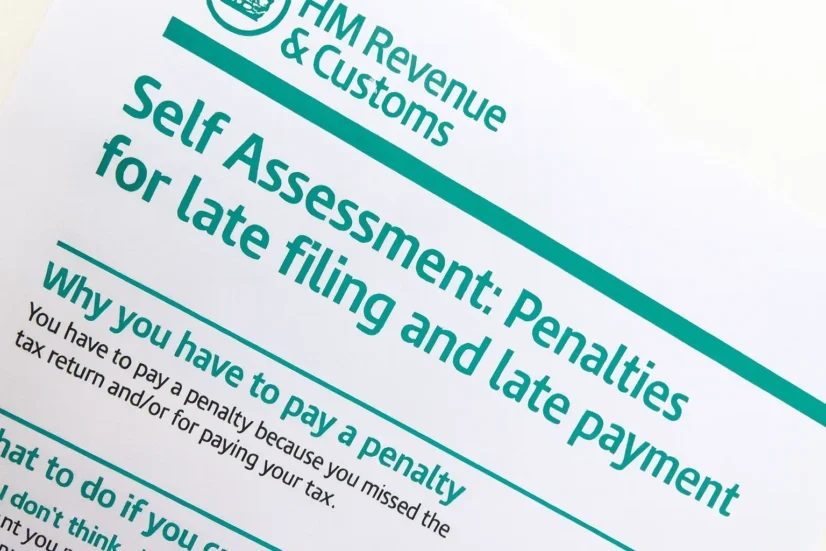
Doing your Self Assessment tax return in the UK can feel scary, especially if you have cash coming in from all sorts of places, like your own business, places you rent out, stock earnings, or money from abroad. You can avoid fines, interest charges, and stress by being aware of what you owe, when it is due, and how to pay it. This straightforward guide explains everything you need to know about paying self-assessment taxes, including key dates, payment methods, preparation advice, and upcoming changes.
HMRC must be informed that you must file a Self Assessment return before you can pay taxes.
You must tell HMRC by 5 October if you need to complete a tax return for the previous year and you have either:
• Not sent a tax return before, or
• Registered before but did not need to send a tax return for the tax year 2023–24.
Failing to notify HMRC by this date may result in delays or penalties. You can register by mail or online using your HMRC account. Once registered, HMRC will send you a Unique Taxpayer Reference (UTR), which you will need for all future tax filings and payments.
Tip: Even if you are unsure whether you need to file, it’s safer to register and clarify with HMRC.
Keeping up with deadlines is essential. Missing them can trigger penalties, interest, or late filing fines.
|
Filing Method
|
Deadline
|
|---|---|
|
Paper Return
|
31 October 2025
|
|
Online Return
|
31 January 2026
|
|
2024-25 Tax Year Online
|
31 January 2026
|
(Source: HMRC Self Assessment tax returns: Deadlines)
• Paper Returns: These are less common now, but still an option. Your paper must be received by HMRC and returned by October 31.
• Online Returns: Filing online is faster, secure, and provides instant confirmation. The deadline is 31 January at 11:59 pm.
Tip: File your return early to allow time for corrections, especially if you have complex income streams.
Usually, the Self Assessment system involves making two payments toward your tax bill, with a final payment to settle the remaining balance:
|
Payment Type
|
Due Date
|
Description
|
|---|---|---|
|
First Payment On Account
|
31 January
|
Based on the previous year's tax bill, usually 50% of the previous year's tax is due.
|
|
Second Payment On Account
|
31 July
|
Also, 50% of the previous year's tax is due.
|
|
Balancing Payment
|
31 January (following year)
|
Pays the remaining tax due adter deducting the payments on account already made.
|
• The amount paid on account is an estimate. You can use your HMRC account to reduce them online if your income declines.
• Late payment or underpayment leads to interest charges and possible penalties.
• Always check the exact amounts HMRC has calculated on your online account.
• Interest on late payments: Accrues daily from the due date.
• Penalties: Fixed amounts (£100 for missing the filing deadline, with additional penalties for longer delays) for missing deadlines.
• Increased scrutiny: HMRC investigations may be triggered by persistent underpayments or delays.
Find out with expert guidance before you register.
There are several ways you can pay your Self Assessment tax bill to HMRC. The easiest method for you will depend on when you need the payment to be processed and whether you want to pay in installments.
• UK Payments: Use the account details on your Self Assessment bill.
• Overseas Payments:
○ BIC: BARCGB22
○ IBAN Cumbernauld: GB62 BARC 2011 4770 2976 90
○ IBAN Shipley: GB03 BARC 2011 4783 9776 92
• Reference: Always use your UTR + K (e.g., 1234567890K) to ensure the payment is correctly applied.
• Processing Times:
○ Faster Payments → same or next day
○ CHAPS → same working day
○ BACS → up to 3 working days
Tip: Schedule payments a few days earlier than the deadline to account for bank processing delays.
• Debit Cards: Personal debit cards can be used online, free of charge.
• Corporate Cards: Corporate debit/credit cards are allowed, but fees may apply.
• Credit Cards: Personal credit cards are not accepted.
• Reference: UTR + K.
• Payment date counts as the day the transaction is initiated, not when HMRC receives it.
Example: If you pay on 31 January using a debit card online, the payment counts as on time even if it processes on 1 February.
• Set up a Direct Debit for automatic payments on 31 January or 31 July.
• First-time setup takes 5 working days; subsequent payments take 3 days.
• Reference: UTR + K.
• Budget Payment Plan: Spread payments weekly or monthly, useful for managing cash flow. You can pause the plan for up to 6 months if necessary.
Tip: Direct Debit is ideal if you want to avoid missing a deadline — it guarantees payment on time if set up correctly.
• Choose “Pay by bank account” through the HMRC portal or app.
• Redirects to your online/mobile banking to approve the payment.
• Typically instant, but can take up to 2 hours.
• You can make multiple partial payments before the due date.
Tip: Confirm the payment in your bank account immediately after submission to ensure it’s applied.
• Cheque by mail: Payable to “HM Revenue & Customs Only,” with reference UTR + K.
• Bank or Building Society: Pay with a paper paying-in slip.
• Note: Payments at the Post Office are no longer accepted.
Tip: Cheque payments take longer to process; send them well before the deadline to avoid late penalties.
If paying the full tax bill in one lump sum is challenging, HMRC offers ways to spread the cost:
Tip: Don’t wait until the last minute if you need a payment plan. HMRC is more likely to approve early requests.
Staying organized throughout the tax year makes self-assessment much easier to handle.
Always use your UTR + K reference:
When making payments to HMRC, use your UTR followed by the “K” suffix. This helps HMRC match your payment to the right account without delays or errors.
Estimate your liability early:
Prepare a rough estimate of what you will owe well before January. This gives you time to prepare, especially if you have income from several sources like self-employment, dividends, property, or capital gains.
Keep a calendar for key deadlines:
Set reminders for 31 January and 31 July. These are the main payment dates for most taxpayers. Regular reminders help you avoid last-minute surprises.
Use Budget Payment Plans or Time to Pay:
If your cash flow is limited, spread the costs out. HMRC’s Budget Payment Plan allows you to pay in smaller instalments throughout the year. If you already owe tax and are unable to pay it in full, a Time to Pay arrangement allows you to pay the remaining balance over a longer period of time.
Check payment processing times:
Different methods clear at different speeds, so plan ahead:
• Faster Payments: same day
• CHAPS: same day
• BACS: around three days
• First-time Direct Debit: around five working days to set up
This is important when making a payment near the deadline.
Keep digital copies of confirmations:
Keep screenshots or PDF receipts for all payments you make. These are useful if HMRC questions a transaction or if something does not appear in your online account.
Review your HMRC account regularly:
Log in to ensure that your payments were applied correctly and that the amounts owed matched your records. If something appears to be wrong, address it as soon as possible to avoid consequences.
Example: If your tax due is £5,000 and you have cash flow issues, you could set up a Budget Payment Plan of £1,000 per month from September to January to avoid late payment penalties.
HMRC is making changes to how taxpayers handle Self Assessment records, filings, and management. Starting preparations early can ensure a smooth transition.
Making Tax Digital (MTD):
From 6 April 2026, individuals with business or property income above £50,000 must keep digital records and submit quarterly updates through approved software.
More automation from HMRC:
HMRC is increasing automated checks and faster digital processing, making online tools more important for keeping your information accurate.
Updates to interest and penalties:
Interest rates and penalty rules may change, so staying aware of HMRC updates helps you avoid unexpected charges.

Director Self Assessment It is mandatory for a director...

Self-Assessment Tax Payment Guide: Key Dates and Methods Doing...
Top 10 VAT Return Mistakes Small Businesses Must Avoid...

Business Expense Guide: Allowable & Non-Allowable Deductions This chart...
Ready to reach out to us! Request a call back now for a personalized quote!


You can talk to us on WhatsApp